Why Thai Banks Say No: What American Buyers Must Understand Before Financing Property in Thailand

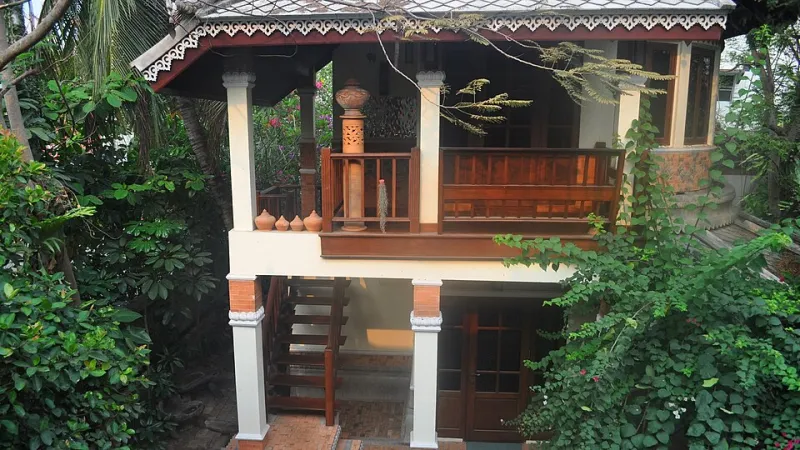
Photo: Sergei Gussev, CC BY 4.0, via Wikimedia Commons
For Americans accustomed to the U.S. housing market, the mortgage process feels almost ritualized: pre-approval, underwriting, appraisal, closing. You arrive in Thailand expecting a version of the same machinery. What you find instead is a system that, for foreign buyers, is largely closed—and the reasons why are rarely explained until you are already deep into a purchase.
The Core Problem: Foreign Buyers Are a Lending Risk Thai Banks Won't Take
Thai commercial banks operate under a simple constraint: if a foreign borrower defaults, the bank has limited practical recourse. Repossessing and reselling property is complicated when the borrower cannot legally own the underlying land in the first place. Enforcement is slow, the legal process favors occupiers, and a bank in Bangkok cannot easily pursue assets or income sitting in California or Texas.
Layer on the fact that most foreign buyers lack verifiable Thai income, Thai credit history, or long-term residency status, and the underwriting math simply fails. The result: while Thai law does not prohibit banks from lending to foreigners, the major institutions—Bangkok Bank being the notable historical exception—approve these loans sparingly, and when they do, the terms are conservative. Expect loan-to-value ratios capped around 50 to 70 percent for non-residents, terms of 10 years or fewer, and interest rates that reflect the perceived risk.
Compare that to a U.S. conventional mortgage—30-year terms, 80 percent LTV, competitive rates—and the gap is jarring. It is the single biggest shock for American buyers, and the one no listing agent volunteers up front.
Workaround One: The Thai Co-Borrower
The most common path to real financing is a Thai spouse, partner, or family member who applies as the primary borrower. Because the Thai citizen qualifies on local income and credit, the bank lends on normal terms. The foreign buyer contributes funds and holds an interest through the structure of ownership.
This works, but it deserves sober analysis. If the property is titled in the Thai co-borrower's name, that person holds the legal asset. American buyers should insist on a properly drafted loan agreement and, where appropriate, a right-of-use or leasehold registration to protect their contribution. A Thai attorney experienced in cross-border family property arrangements is not optional here—it is the entire ballgame.
Who this suits: Buyers with a trusted Thai spouse or long-term partner who are planning to settle in Thailand for decades, not investors seeking a portfolio play.
Workaround Two: Developer Financing
Particularly in resort markets—Phuket, Pattaya, Hua Hin, and parts of Samui—developers facing slow sales sometimes offer in-house installment plans. These are typically structured over two to five years with a substantial down payment, often 30 to 50 percent, and interest built into the price.
The upside is accessibility: minimal paperwork, no bank involvement, and closings measured in weeks. The downside is that developer financing is really a payment plan, not a mortgage, and the developer's financial health becomes your counterparty risk. If the project stalls or the developer becomes insolvent, your position can be uncertain. Diligence on the developer's track record matters more than the headline terms.
Who this suits: Buyers purchasing off-plan or new-build condominiums from established developers with a multi-year payment horizon and cash for a large deposit.
Workaround Three: Offshore and International Lending
A small circle of international private banks and specialty lenders will finance Thai property for foreign nationals, generally against assets held with the institution. These are private-banking products: expect a relationship, asset under management requirements, and lending against your global portfolio rather than the Thai property itself.
For high-net-worth Americans, this can be elegant—it keeps Thai property unencumbered and liquidity intact. For everyone else, the entry requirements put it out of reach.
Who this suits: Investors with existing offshore banking relationships and substantial investable assets.
The Honest Baseline: Cash, and Structuring It Correctly
The pragmatic reality is that the overwhelming majority of foreign buyers in Thailand pay cash. If that is your situation, the critical issue shifts from borrowing to documentation. Funds brought into Thailand to purchase a condominium must be transferred into the country as foreign currency and recorded on a Foreign Exchange Transaction Form, explicitly designated for property purchase. Skip this step, and the Land Department may refuse to register the condo in your name.
Keep wire records, use the correct transfer purpose codes, and coordinate with your Thai bank branch before moving significant funds. A few administrative missteps here can undo an otherwise clean purchase.
Reframing the Decision
American buyers often approach Thai property with U.S. leverage assumptions—maximum borrowing, minimum down. Thailand rewards the opposite posture: strong equity positions, clean money trails, and structures chosen for legal durability rather than financing convenience. At Kredtrakarn Home, our counsel is consistent: decide what you can genuinely fund before you fall in love with a listing, engage Thai legal counsel early, and treat financing as a structural question, not a shopping exercise. The buyers who do this well rarely regret the purchase. The ones who assume it works like back home often do.