Walk the Showroom Like an Auditor: What a Thai Pre-Construction Sales Pitch Won't Tell You
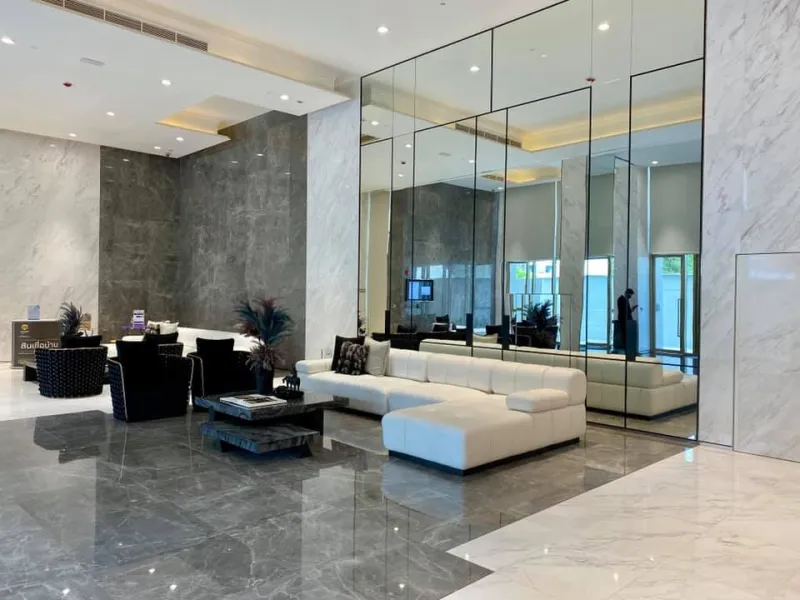
Photo: modern condominium showroom model unit sales office Bangkok, via www.newhomebangkok.com
A model unit in Bangkok or Chiang Mai can be as persuasive as anything you'd see in a Scottsdale sales center: staged furniture, rendered skyline views, a sales team fluent in the anxieties of foreign buyers. But a Thai pre-construction purchase works differently from anything in the US, and the showroom is designed to keep you from noticing that. Before you put a reservation deposit down, treat the visit less like house hunting and more like due diligence.
Start With the EIA, Not the Floor Plan
The single most important document in Thai development is the Environmental Impact Assessment (EIA) approval. No EIA approval means no construction permit for larger projects, which means your unit may exist only as an artist's rendering indefinitely.
Ask directly: Has the EIA been approved, and can I see the certificate? A sales office that deflects, delays, or promises it's "in process" is telling you something important. Without it, your financing timeline is frozen too — Thai banks generally won't finalize a loan on a project that can't legally break ground. Your deposit sits in limbo while the developer's clock, not yours, keeps running.
Interrogate the Payment Schedule
American buyers are accustomed to progress-based construction draws supervised by a lender. In Thailand, the contract is the schedule. Many developers front-load payments — 10-20% down, then installments during construction, with a large balance at transfer.
Red flags to look for:
- Deposits exceeding 5-10% before a full contract is signed
- Payment milestones tied to calendar dates rather than construction progress
- Vague language about when the "transfer date" occurs, since that's when the balance and closing costs come due
If the schedule demands significant money before the EIA is approved or before a defined construction stage, your leverage to walk away — and to get your deposit back — shrinks with every baht you wire.
Read the Reservation Agreement Before You're Emotionally Invested
The reservation agreement is where deposits go to die. Many Thai contracts state plainly that reservations are non-refundable, or refundable only if the developer fails to perform — a distinction that matters enormously if you can't close because a Thai bank declines your loan.
This is a real risk for foreign buyers. Unlike a US pre-approval, a Thai bank's commitment often comes late in the process, sometimes conditioned on the project's registration and your visa status. Ask for a financing contingency in writing. A developer who refuses to include one is asking you to carry all the risk.
Treat the Furniture Package With Suspicion
That "fully furnished for 300,000 baht" add-on often costs more than buying equivalent items locally after move-in. More importantly, inflated furniture packages are sometimes used to pad the declared contract price — which affects transfer fees, withholding tax calculations, and how a bank values the collateral.
Price the package independently. If the numbers don't reconcile, ask why.
Check the Foreign Quota Before You Fall for the View
Condominiums in Thailand can sell only 49% of sellable floor area to foreign buyers. Showrooms rarely mention how much of the foreign quota remains. If it's nearly exhausted, you may be reserving a unit you can't legally hold in your own name — and freehold alternatives, like a long leasehold, change your financing options and resale prospects substantially.
Request written confirmation of remaining foreign quota for your specific unit before signing anything.
Ask About the Developer's Track Record
Ask to see completed projects, not just renderings. Then verify: Have past buildings registered on schedule? Have owners in earlier phases received their chanote-title unit documents promptly? A quick conversation with owners of a previous development — or a Thai-speaking attorney making inquiries — reveals more than any brochure.
Your Walk-Away Checklist
Before signing a reservation agreement, confirm in writing:
- EIA approval status and certificate number
- Full payment schedule tied to construction milestones
- Refund conditions on your deposit, including a financing contingency
- Remaining foreign quota for the project
- Expected registration (transfer) date with penalty clauses for developer delay
- Who holds your deposit, and in what account
If any of these answers are vague, you've found your red flag. The showroom will still be there after your attorney has read the paperwork — and that's the only order of operations that protects your money.