The Airbnb Dream Meets Thai Hotel Law: Why Your Phuket Condo Can't Legally Run Like a Nashville Rental

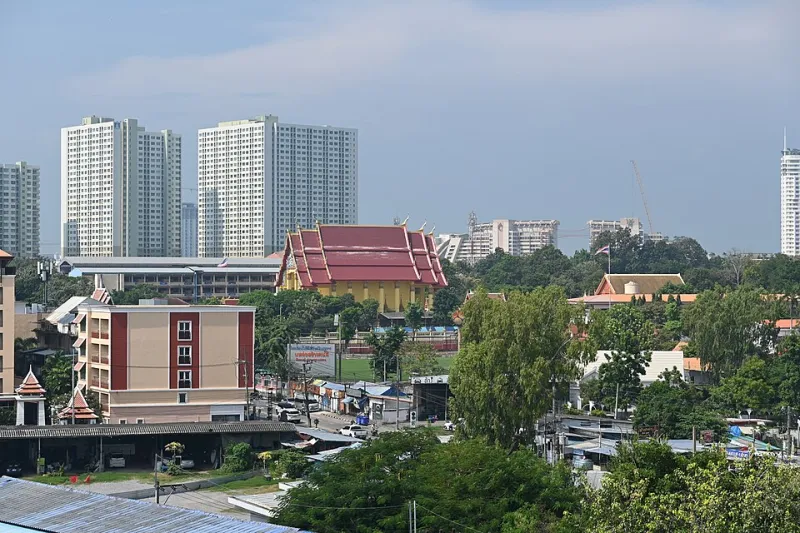
Photo: PatongHarbor, CC BY-SA 4.0, via Wikimedia Commons
If you own a condo in Denver and list it on Airbnb, you check the city's short-term rental rules, get a license if required, and start hosting. The framework is familiar, even when it's restrictive. American buyers eyeing a condo in Bangkok or Phuket often carry that same mental model overseas—and it fails them in ways that can cost real money.
Thailand regulates short-term accommodation not as a property matter but as a hospitality business. The distinction changes everything.
The Hotel Act Problem
Under Thailand's Hotel Act, providing overnight accommodation to guests for fewer than 30 days is, in most interpretations, operating a hotel. Hotels require a license from the provincial or district authorities, fire safety compliance, and commercial registration. A foreign-owned condominium unit on the 22nd floor of a residential tower holds none of those things and usually cannot obtain them—many buildings aren't zoned or constructed for hotel use at all.
Enforcement has sharpened over the past decade. Thai authorities have raided units listed on international booking platforms, fined owners, and in some cases pursued building juristic persons that tolerated the activity. For an American owner, the practical exposure includes fines, platform delisting, and strained relations with a neighbors' committee that controls your access to common facilities.
The Juristic Person Is Your Real Landlord
Every Thai condominium has a juristic person—the building's management body, something like an HOA with statutory teeth. Many juristic persons write anti-short-term-rental rules directly into their bylaws, and buildings marketed to foreign buyers in Bangkok and Chiang Mai frequently do exactly that. Even where national law were ambiguous, your building contract may not be.
Before you close on any unit intended to produce rental income, request the building's regulations in writing and ask specifically about minimum lease terms. A one-month minimum in the bylaws is common and enforceable.
Three Cities, Three Realities
Bangkok skews toward long-term tenants. The condo stock downtown serves professionals and expatriates on annual leases, and juristic persons in the most desirable buildings police guest behavior closely. A 12-month lease to a corporate tenant or a relocating couple is the realistic, legal model.
Chiang Mai sits in the gray zone. A legacy of short-stay digital nomad traffic means some buildings quietly tolerate weekly rentals, but tolerance is not legality—enforcement sweeps have occurred, and buildings caught up in disputes have seen management crackdowns that strand non-compliant owners.
Phuket is the partial exception. The island's resort economy has produced a genuine inventory of hotel-licensed and serviced apartment projects where nightly rentals are permitted. The key word is licensed: the building itself holds the accommodation license, and owners buy into a managed rental pool. Buying a standard residential unit on the same island and listing it yourself does not inherit that permission.
What Actually Works From 8,000 Miles Away
For US-based owners, three models hold up:
The managed rental pool. In Phuket and some Koh Samui projects, you purchase into a development with an on-site operator who handles bookings, cleaning, and the license. Expect revenue splits of 30 to 40 percent and read the lock-in terms carefully.
The 30-plus-day lease. Monthly rentals to expatriates, students, or long-stay travelers fall outside the Hotel Act's scope. In Bangkok and Chiang Mai, a unit near transit or a university can achieve steady occupancy with a fraction of the legal risk. A local property manager on a fixed monthly fee—typically 5 to 10 percent of rent—covers check-ins and maintenance.
The corporate lease. Some owners sign a single lease with a company that houses staff or relocating employees. One counterparty, one payment, minimal turnover.
Underwrite the Income You Can Legally Have
The financing angle matters as much as the legal one. Buyers sometimes stretch on a mortgage—Thai banks lend conservatively to non-residents, and many Americans end up financing through home equity products in the US or paying cash—because they've penciled in nightly-rate income that was never lawful. When the short-term model collapses, the carrying costs remain: common area fees, sinking fund contributions, withholding tax on rent remitted abroad, and currency conversion on every transfer.
Model the purchase on 12-month lease rates, subtract management fees and a vacancy buffer, and see whether the numbers still work. If they only work at hotel rates, you need to be buying into a licensed hotel project—or buying a different asset altogether.
The condo you can legally rent for a year will make you less per night than the one you can't. It will also still be making you money when the enforcement notice goes out to the unit next door.