Trusting a Handshake With 2 Million Baht: Sequencing Payments When Thailand Has No Escrow
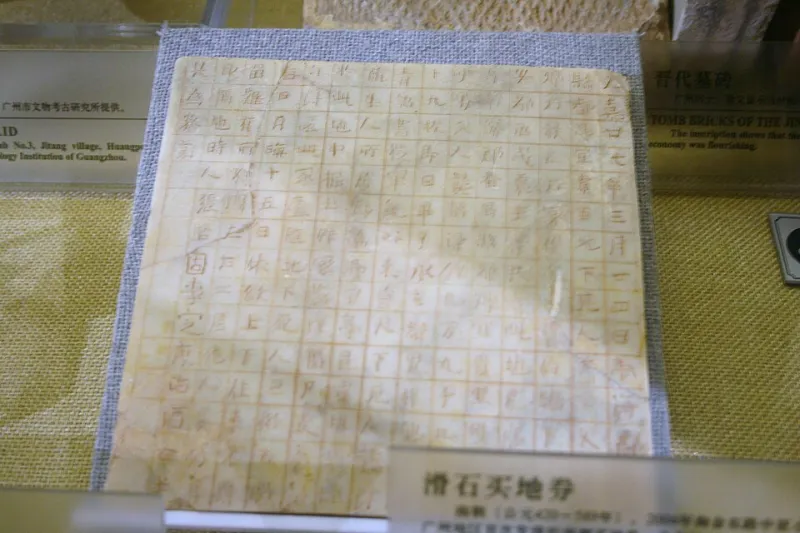
Photo: Gary Todd from Xinzheng, China, CC0, via Wikimedia Commons
If you've bought a home in the United States, you've probably never questioned the escrow process. A neutral third party holds your earnest money, the title company verifies ownership, and funds change hands only when every condition is met. It's so routine that most American buyers assume it works the same way everywhere.
It doesn't. In Thailand, particularly in the resale condo and house market, escrow is the exception rather than the rule. There is no mandatory neutral account holding your deposit. No title company standing between you and the seller. Your down payment goes, in many cases, directly into the seller's bank account on the strength of a signed agreement — and if the deal collapses, recovering that money may mean litigation in a foreign language, in a foreign court.
For US buyers, this is one of the most underappreciated risks in Thai real estate. The good news: while Thailand lacks the institutional escrow Americans are used to, it offers workable substitutes — if you know how to use them and, crucially, in what order.
Why the American Model Doesn't Travel
Escrow exists in the US because regulation, custom, and title insurance created the infrastructure for it. Thailand never developed that ecosystem for resale transactions. New developments from licensed developers sometimes operate something closer to escrow through construction-stage payment schedules, but the individual seller of a resale unit is under no obligation to use any intermediary at all.
The result is a structural imbalance. The seller controls the asset; the buyer controls the money. Whoever moves first takes on risk. If you pay the deposit first, you're exposed. If the seller transfers title first, they're exposed. Every safeguard in a Thai transaction exists to resolve this standoff — and your job as a buyer is to structure the sequence so that your maximum exposure at any single moment stays small.
Safeguard One: The Down-Payment Agreement, Done Properly
The deposit contract — often called a down-payment agreement — is the first line of defense, and it's where many foreign buyers get careless. A handshake, a LINE message, and a bank transfer do not constitute adequate protection.
A properly drafted agreement, prepared by an independent Thai lawyer (not one recommended by the seller or agent), should specify:
- The full purchase price and the deposit amount
- A defined closing date and the land office where the transfer will occur
- Explicit conditions under which the deposit is refundable — for example, failure to produce clear title, undisclosed liens, or seller default
- A penalty clause that makes walking away costly for the seller, not just for you
Never sign the seller's template without independent review. In a market with no escrow, the contract is the escrow.
Safeguard Two: Lawyer-Held Funds
Where a true neutral escrow account isn't available, a common Thai practice is for the buyer's own attorney to hold the deposit or the balance of funds in their client account, releasing money only against agreed milestones. This isn't identical to US escrow — your lawyer is an advocate, not a regulated neutral — but it shifts custody of your funds away from the seller during the interval between agreement and transfer.
Vet this carefully. Confirm in writing that funds will be held in a segregated client account, ask how release conditions are documented, and make sure the arrangement is spelled out in the engagement letter. A reputable law firm will expect these questions; a firm that resists them is telling you something.
Safeguard Three: Staged Transfer at the Land Office
The final and strongest protection is sequencing the largest payment to coincide with the actual transfer of ownership at the provincial land office. The mechanics matter:
- Before transfer day, your lawyer verifies the title deed (for condos, typically a chanote-backed unit), confirms no registered liens or mortgages, and confirms the foreign ownership quota in the building is available.
- At the land office, the transfer is processed first — or simultaneously — with payment. The standard practice is to bring certified funds (often cashier's checks or a same-day bank transfer arranged at the branch) that are released upon the officer's acceptance of the transfer.
- Only after the transfer is registered does the balance change hands.
This is the closest thing Thailand offers to a simultaneous close, and it's why the bulk of your money should never leave your control before this day. A reasonable deposit — commonly 5–10% of the purchase price — is the most you should have at risk during the interim period.
A Sample Payment Sequence
Putting it together, a risk-managed timeline for a resale condo purchase might look like this:
- Day 0: Sign a lawyer-drafted deposit agreement; pay a 5–10% deposit, ideally into a lawyer-held client account rather than the seller's personal account.
- Days 1–30 (due diligence): Lawyer verifies title, quota availability, building compliance, and any outstanding common-area fees or utility debts.
- Transfer day: Remainder paid at or immediately after land office registration, via traceable bank instruments.
At no point before transfer day should more than your deposit be exposed. If a seller pushes for a larger early payment — 'to secure the price' or 'because another buyer is interested' — treat that as a red flag, not a negotiating position.
The American Instinct to Resist
US buyers sometimes feel that insisting on these structures signals distrust, and sellers sometimes encourage that instinct. Resist it. Asking for a written agreement, independent counsel, and payment at transfer is standard practice among sophisticated Thai buyers too. A seller who refuses reasonable safeguards is offering you information about the deal — information that, in a market without escrow, may be the only protection you get.
Thailand's property market rewards buyers who replace institutional safety nets with deliberate process. No escrow account? Fine. Build the escrow into the sequence: small deposit, lawyer-held funds, independent verification, and payment only when the land office puts the title in your name. Do that, and the handshake becomes the least important part of the deal.